

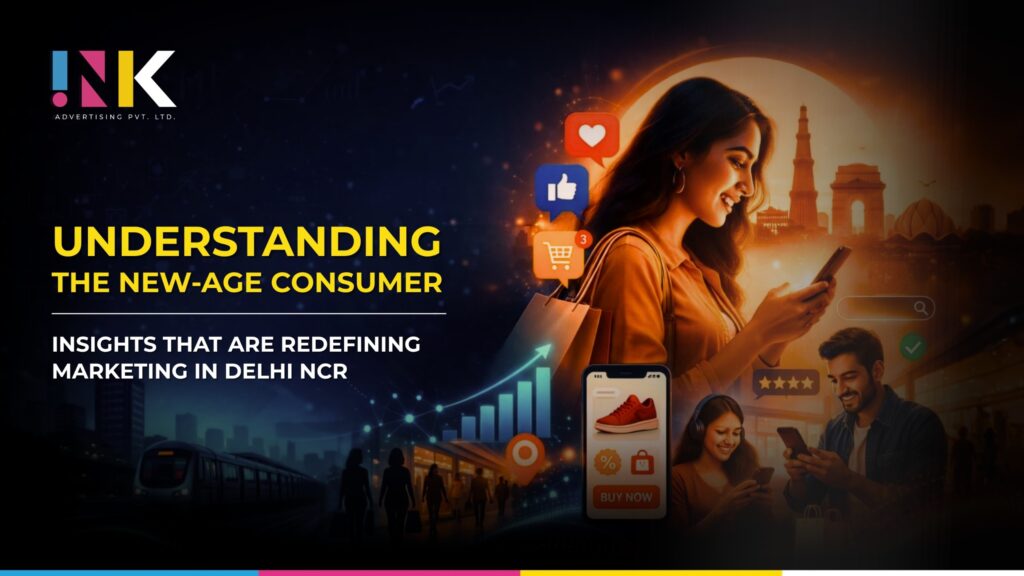
How Consumer Behavior is Changing in the Digital Era: What Brands Need to Understand Today
Consumer behavior today is far more dynamic than it has ever been. In a digitally connected ecosystem like Delhi NCR, where consumers are constantly exposed to content, choices, and comparisons, decision-making has evolved significantly. The traditional funnel is no longer linear. Instead, consumers move across platforms, validate information, and make decisions based on a mix of logic, emotion, and experience. For brands, this shift demands more than just visibility. It requires relevance, timing, and a deeper understanding of how people think and act online. From Passive Attention to Active Intent Consumers are no longer passive viewers. They actively search, compare, and validate before making decisions. A typical journey now starts with a query and moves through multiple touchpoints before action. Today’s consumer journey often includes: Searching on Google Comparing multiple options Evaluating reviews and content Whether someone is planning a weekend outing or considering a high-value purchase, intent is what drives action, not just exposure. For brands, this means search visibility becomes critical. Content needs to answer real questions, and campaigns must focus on intent-driven targeting rather than just impressions. Personalization is the New Standard Generic communication is easy to ignore. What works today is messaging that feels relevant and specific. Consumers expect brands to understand their preferences and deliver content that aligns with their interests. In a diverse market like Delhi NCR, localized messaging and cultural context often make the difference between engagement and scroll-past. Effective personalization today means: Audience segmentation based on behavior Region-specific messaging Content aligned with user intent The shift here is simple but important: move from mass communication to precision-driven storytelling. Content Consumption is Faster and More Visual Content is no longer consumed, it is scanned, judged, and either engaged with or skipped within seconds. Short-form video has redefined attention spans. The first few seconds now determine whether your content works or disappears. For brands, this changes the approach entirely. Visual storytelling becomes essential, consistency matters more than volume, and the focus shifts to creating content that is immediate, engaging, and easy to consume. Trust is Built Through Proof, Not Promotion Consumers today rely far more on validation than on brand claims. Reviews, real experiences, and influencer content shape perception. But the dynamic has evolved. It is no longer about working with as many influencers as possible, it is about choosing those who are credible and relevant to the audience. What works today: Authentic collaborations Experience-driven content Credibility over reach Authenticity now outperforms scale. Content that feels real builds trust, while overly polished messaging often gets ignored. Experience is the Real Differentiator The focus has shifted from what a brand offers to how it makes people feel. Consumers are drawn to experiences that are memorable, shareable, and emotionally engaging. This is especially visible in lifestyle-driven categories, where the overall experience often outweighs individual features. For brands, this means moving beyond functional messaging and investing in storytelling that captures the experience. The Multi-Platform Decision Journey Consumers no longer rely on a single touchpoint. Their journey is spread across platforms, often moving from discovery on social media to research on search engines, followed by validation through reviews and a final interaction on the website. This makes consistency critical. A typical journey today looks like: Discovery through social media Research via search engines Validation through reviews Final action on the website or direct inquiry Messaging, design, and communication across platforms need to align seamlessly to build confidence and reduce friction. Speed and Convenience Define Conversions Expectations around speed and ease have significantly increased. Consumers want quick-loading websites, fast responses, and seamless experiences. Even small delays or friction points can lead to drop-offs. In a competitive environment like Delhi NCR, convenience is not an advantage, it is a baseline expectation. Conclusion: Marketing for the New Consumer The digital era has reshaped not just platforms, but people. Consumers today are more informed, more selective, less patient, and far more experience-driven. For brands, this means adapting strategies to match evolving behavior, not relying on what worked earlier. At INK Advertising Pvt. Ltd., the focus is on aligning brand communication with how consumers actually think and act today, combining strategy, creativity, and execution to deliver meaningful results. Because in today’s landscape, success is not about being everywhere, it’s about being relevant where it matters. Recent Post


